
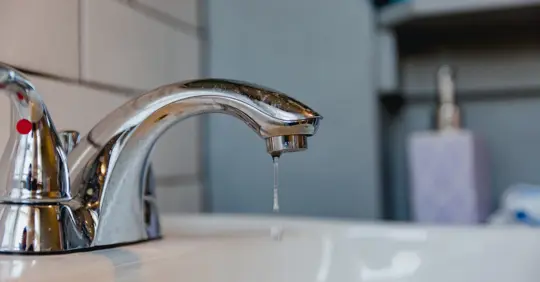
Spring brings warmer weather, blooming flowers, and… more dripping faucets than you might expect. If your kitchen or bathroom faucet seems to leak more this time of year, you’re not alone. Seasonal changes, shifts in water pressure, and wear on plumbing can all contribute to extra drips. Understanding why this happens helps you take simple steps to protect your home.
Don’t wait—schedule a professional inspection today! Contact Hat Plumbing Heating & Air online here or call (817) 701-7451 to have a licensed plumber in Fort Worth check your faucets and prevent small leaks from becoming bigger headaches.
Temperature Fluctuations Affect Pipes
Spring often brings rapid shifts between cold nights and warm days. These temperature swings can cause pipes and faucet components to expand and contract.
- Expansion and contraction can loosen seals and joints inside your faucet.
- Older faucets with worn washers are more likely to drip under these conditions.
- Even a small change in water pressure due to temperature fluctuations can trigger slow leaks.
Tip: Keep an eye on faucets after sudden temperature changes and note if the leak worsens.
Increased Water Usage
Warmer weather often means more water running through your home: washing cars, watering gardens, and cleaning outdoor spaces.
- Extra water flow can increase the pressure in your pipes.
- High pressure exposes weak points, such as aging washers or corroded valves.
- Leaks may appear in faucets that were previously quiet during the winter months.
Tip: Consider monitoring water pressure and limiting excessive simultaneous water use to reduce strain.
Mineral Buildup From Hard Water
If you have hard water in Fort Worth, spring may make faucet leaks more noticeable. Higher water temperatures can accelerate the formation of mineral deposits.
- Calcium and magnesium can accumulate around faucet washers and cartridges.
- Deposits can prevent valves from sealing completely, causing drips.
- Regular cleaning or professional servicing helps maintain faucet performance.
Tip: A simple vinegar soak or professional flush can reduce mineral buildup and improve flow.
Worn or Damaged Faucet Components
Over time, washers, O-rings, and cartridges inside faucets naturally wear down. Spring conditions can make these weaknesses more apparent.
- Seasonal temperature and pressure changes stress faucet components.
- Older faucets may leak more frequently after winter contraction.
- Small repairs or part replacements can often reduce or stop drips.
Tip: If a faucet leaks persistently, a professional plumber in Fort Worth can inspect the internal components and replace worn parts as needed. Learn more about our plumbing repair services.
When to Call a Plumber
Some leaks are minor, but others can signal a larger issue in your plumbing system. Call Hat Plumbing Heating & Air if you notice:
- Persistent dripping despite attempts to tighten the faucet
- Multiple faucets are leaking at the same time
- Water stains, corrosion, or unusual odors around sinks
Professional assessment ensures small leaks don’t cause water waste or damage.
Take Action Today
Don’t let spring leaks turn into bigger concerns. Contact Hat Plumbing Heating & Air for an expert inspection from a licensed plumber in Fort Worth. Schedule online here or call (817) 701-7451 to have your faucets checked, repaired, and maintained safely.